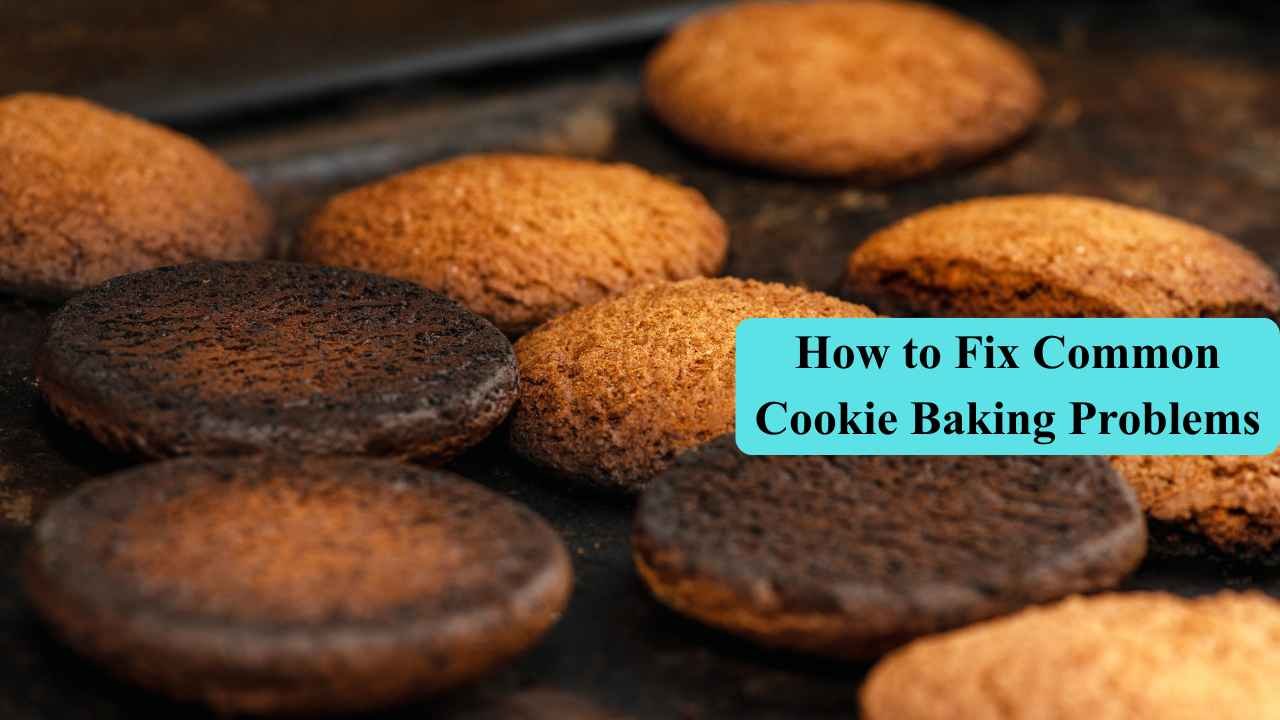
Few things are more disappointing than spending time and effort baking cookies only to pull a tray from the oven and find that something went wrong. Maybe the cookies spread into one giant sheet, turned out hard and dry, stayed raw in the middle, or lost their soft and chewy texture.
The good news is that most cookie baking problems have simple explanations and even simpler solutions.
Cookies may seem straightforward, but small changes in ingredients, measurements, mixing methods, or baking temperatures can have a significant impact on the final result. Understanding what caused the problem is the first step toward consistently baking delicious cookies at home.
Whether you’re making chocolate chip cookies, oatmeal cookies, sugar cookies, peanut butter cookies, or any other variety, the same baking principles apply. Once you learn how to identify common cookie issues, you’ll be able to prevent them before they happen.
This guide covers the most common cookie baking problems, why they occur, and how to fix them for better results every time.
Table of Contents
- Why Cookie Problems Happen
- Cookies Spread Too Much
- Cookies Don’t Spread Enough
- Cookies Turn Out Hard and Dry
- Cookies Are Too Soft or Undercooked
- Cookies Become Flat
- Cookies Are Too Thick
- Burnt Cookie Bottoms
- Unevenly Baked Cookies
- Cookies Stick to the Baking Tray
- Tough and Dense Cookies
- Broken or Crumbly Cookies
- Tips for Perfect Cookies Every Time
- FAQs
- Final Thoughts
Why Cookie Problems Happen
Most cookie baking issues can be traced back to one or more of the following factors:
- Incorrect ingredient measurements
- Improper mixing
- Wrong oven temperature
- Baking time errors
- Ingredient substitutions
- Poor dough handling
Because cookies contain relatively few ingredients, even small mistakes can noticeably affect the final product.
Fortunately, most problems are easy to fix once you know the cause.
Cookies Spread Too Much
One of the most common cookie complaints is excessive spreading.
Possible Causes
- Butter was too warm
- Dough wasn’t chilled
- Too little flour
- Baking sheet was hot
How to Fix It
Chill the cookie dough for at least 30 minutes before baking.
Measure flour carefully.
Allow baking trays to cool completely between batches.
Prevention Tip
If the dough feels soft or sticky, refrigeration usually helps.
Cookies Don’t Spread Enough
Sometimes cookies remain thick and barely flatten.
Possible Causes
- Too much flour
- Dough too cold
- Too little butter
- Excess flour from inaccurate measuring
How to Fix It
Measure flour using proper measuring techniques.
Allow dough to sit at room temperature for a few minutes before baking.
Prevention Tip
Avoid packing flour tightly into measuring cups.
Cookies Turn Out Hard and Dry
Dry cookies are often the result of overbaking.
Possible Causes
- Overbaking
- Too much flour
- Insufficient fat
- Low moisture content
How to Fix It
Reduce baking time slightly.
Measure flour carefully.
Follow the recipe’s butter and sugar quantities accurately.
Prevention Tip
Remove cookies when the centers still appear slightly soft.
They continue cooking on the baking tray.
Cookies Are Too Soft or Undercooked
Soft centers are desirable, but undercooked cookies can be problematic.
Possible Causes
- Insufficient baking time
- Oven temperature too low
- Dough portions too large
How to Fix It
Bake for an additional 1 to 2 minutes.
Verify oven temperature using an oven thermometer.
Prevention Tip
Use evenly sized cookie portions.
Cookies Become Flat
Flat cookies often lack the texture people expect.
Possible Causes
- Butter too warm
- Excess sugar
- Too little flour
- Expired baking soda
How to Fix It
Chill the dough before baking.
Use fresh leavening agents.
Prevention Tip
Room-temperature butter is ideal.
Melted butter may cause excessive spreading.
Cookies Are Too Thick
While some cookies should be thick, excessive thickness may indicate a problem.
Possible Causes
- Too much flour
- Excess dough chilling
- Insufficient sugar
- Oven temperature too high
How to Fix It
Check measurements carefully.
Allow chilled dough to warm slightly before baking.
Prevention Tip
Follow ingredient quantities exactly.
Burnt Cookie Bottoms
Cookies may appear perfect on top while burning underneath.
Possible Causes
- Dark baking sheets
- Oven rack too low
- Excessive baking time
How to Fix It
Use light-colored baking sheets.
Position trays in the center of the oven.
Prevention Tip
Line trays with parchment paper for additional protection.
Unevenly Baked Cookies
Some cookies may bake faster than others.
Possible Causes
- Uneven dough portions
- Uneven oven heat
- Overcrowded baking trays
How to Fix It
Use a cookie scoop for consistent sizing.
Rotate trays during baking if necessary.
Prevention Tip
Leave adequate space between cookies.
Cookies Stick to the Baking Tray
Sticky cookies can break apart during removal.
Possible Causes
- No parchment paper
- Insufficient greasing
- Removing cookies too soon
How to Fix It
Allow cookies to cool briefly before moving them.
Use parchment paper.
Prevention Tip
Most cookies release more easily after a few minutes of cooling.
Tough and Dense Cookies
Cookies should be tender rather than heavy.
Possible Causes
- Overmixing
- Too much flour
- Insufficient sugar
How to Fix It
Mix only until ingredients are combined.
Avoid excessive stirring after adding flour.
Prevention Tip
Gentle mixing often produces better texture.
Broken or Crumbly Cookies
Cookies that fall apart easily can be frustrating.
Possible Causes
- Too little moisture
- Too much flour
- Insufficient binding ingredients
How to Fix It
Measure ingredients carefully.
Avoid overbaking.
Prevention Tip
Allow cookies to cool completely before handling.
They often become sturdier as they cool.
Tips for Perfect Cookies Every Time
Measure Ingredients Accurately
Baking depends on precision.
Use Quality Ingredients
Fresh butter, flour, and baking soda improve results.
Chill Dough When Needed
Many cookie recipes benefit from refrigeration.
Don’t Overmix
Overmixing often affects texture negatively.
Monitor Baking Time Carefully
A difference of one or two minutes can matter.
Use Parchment Paper
Improves baking consistency and cleanup.
Learn Your Oven
Every oven behaves slightly differently.
These habits can significantly improve cookie quality.
FAQs
Why do my cookies spread too much?
Warm dough, too little flour, or insufficient chilling are common causes.
Why are my cookies hard?
Overbaking and excessive flour are usually responsible.
Should cookie dough always be chilled?
Not always, but many recipes benefit from chilling.
Why are my cookies flat?
Warm butter, excess sugar, or expired baking soda can contribute.
How do I keep cookies soft?
Avoid overbaking and store them in airtight containers.
Why do my cookies burn on the bottom?
Dark baking sheets and excessive heat are common causes.
Can beginners fix these cookie problems?
Absolutely. Most cookie issues have simple solutions that become easier to recognize with practice.
Final Thoughts
Learning how to fix common cookie baking problems can dramatically improve your baking results. Most cookie issues aren’t caused by complicated techniques or expensive ingredients. They usually come down to measurements, temperature control, mixing methods, and baking time.
The encouraging part is that every baking mistake provides useful information. A batch of cookies that spreads too much, turns out too dry, or bakes unevenly can help you identify what needs adjustment for the next batch.
As you gain experience, you’ll begin to recognize the signs of properly mixed dough, ideal baking times, and the texture you’re aiming for. Over time, baking great cookies becomes much more predictable and enjoyable.
The next time your cookies don’t turn out exactly as planned, don’t get discouraged. Most problems have straightforward fixes, and each batch is another opportunity to improve your skills and get closer to perfect homemade cookies.